
Your download will be ready in 50 seconds.
Best Credit Cards for Beginners in USA
Getting your first credit card is a major financial milestone.
For many Americans, a beginner credit card is the first step toward:
- Building credit history
- Improving credit scores
- Qualifying for loans
- Creating long-term financial stability
- Learning responsible money management
However, choosing the wrong credit card may lead to:
- High interest charges
- Debt problems
- Missed payments
- Damaged credit scores
This is why selecting the right beginner credit card is extremely important.
The best beginner credit cards usually offer:
- Easier approval requirements
- Low or no annual fees
- Credit-building opportunities
- Cashback rewards
- Financial education tools
- Credit monitoring features
According to recent beginner card recommendations from Forbes Advisor, beginner-friendly cards often include secured cards, student cards, and cashback starter cards that help users build positive payment history.
In this complete USA finance guide, you will learn:
- How beginner credit cards work
- Best types of starter cards
- How to build credit safely
- Common mistakes to avoid
- Smart credit habits for beginners
- Long-term financial improvement strategies
If you are starting your financial journey in 2026, choosing the right beginner credit card can help create a stronger financial future.
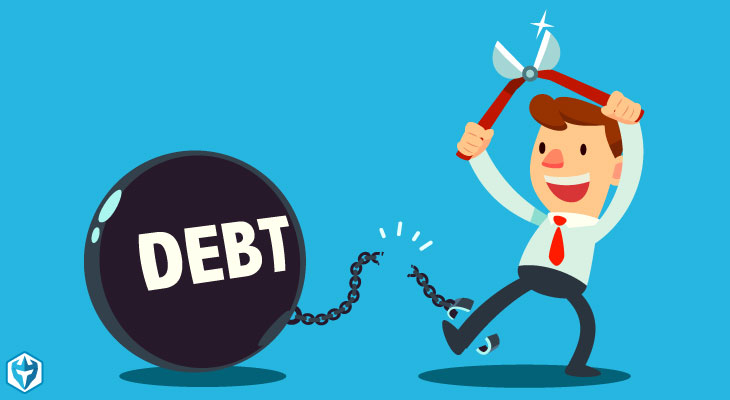
Why Credit Cards Matter for Beginners
Credit cards help establish credit history.
Your credit history affects many financial areas, including:
- Personal loans
- Auto loans
- Mortgage approvals
- Apartment applications
- Insurance costs
- Future credit card approvals
Responsible credit card usage helps demonstrate financial responsibility to lenders.
Good credit may save thousands of dollars over time through lower interest rates and better financial opportunities.
Best Types of Credit Cards for Beginners
1. Secured Credit Cards
Secured credit cards are among the easiest cards for beginners.
These cards require a refundable security deposit.
Example
- Deposit = $300
- Credit limit = $300
Secured cards are specifically designed for:
- First-time users
- Limited credit history
- Credit rebuilding
WalletHub recently highlighted the OpenSky Plus Secured Visa Credit Card as a beginner-friendly secured option with no credit check and no annual fee.
Advantages
- Easier approval
- Builds credit history
- Good for beginners
- Helps establish payment history
Disadvantages
- Requires upfront deposit
- Lower initial limits
2. Student Credit Cards
Student cards are designed for college students and younger users.
According to Forbes Advisor’s beginner credit card rankings, student cashback cards remain some of the best beginner options for building credit while earning rewards.
Student cards may include:
- Easier qualification requirements
- Cashback rewards
- Lower credit limits
- Financial education tools
These cards help young adults build financial habits early.
3. Cashback Credit Cards
Some beginner cards offer cashback rewards on purchases.
Common cashback categories include:
- Groceries
- Dining
- Gas
- Online shopping
Cashback rewards may help maximize everyday spending value.
However, responsible repayment is critical.
Interest charges can quickly eliminate cashback benefits.
4. Credit Builder Cards
Credit builder cards focus mainly on helping users establish positive credit history.
Many include:
- Credit monitoring
- Educational features
- Budgeting tools
- Spending alerts
These tools help beginners learn responsible financial behavior.
What Makes a Good Beginner Credit Card?
Easy Approval Requirements
Beginner-friendly cards should be accessible for people with little or no credit history.
Low Fees
Many good beginner cards offer:
- No annual fees
- Low penalty fees
- Affordable terms
Lower fees help reduce unnecessary financial pressure.
Credit Bureau Reporting
Choose cards that report activity to:
- Experian
- Equifax
- TransUnion
Reporting is essential for building credit history.
Credit Monitoring Features
Many modern cards provide free credit score tracking tools.
Monitoring helps users track financial progress.
Rewards and Cashback
Rewards can improve overall card value when spending is managed responsibly.
How to Use Credit Cards Responsibly
Pay Bills on Time
Payment history is the largest credit scoring factor.
Even one late payment can damage your score.
Best Tips
- Use automatic payments
- Set reminders
- Pay before due dates
Keep Utilization Low
Credit utilization measures how much available credit you use.
Experts recommend staying below:
- 30% utilization
For the best results:
- Below 10% is ideal
Avoid Maxing Out Cards
High balances may lower credit scores and increase financial risk.
Pay Full Balances Monthly
Paying balances in full helps avoid expensive interest charges.
Monitor Spending Carefully
Only spend what you can afford to repay responsibly.
Common Beginner Credit Card Mistakes
Missing Payments
Late payments may damage credit for years.
Carrying Large Balances
High utilization increases financial risk signals.
Applying for Too Many Cards
Multiple hard inquiries may temporarily lower scores.
Overspending
Credit cards should support financial improvement, not increase debt.
Ignoring Statements
Regular reviews help detect fraud and billing errors.
How Credit Cards Help Build Credit Scores
Responsible credit card usage may improve:
- Payment history
- Credit utilization
- Account age
- Credit mix
Positive habits gradually strengthen credit profiles.
How Long Does It Take to Build Credit?
Many beginners establish credit scores within:
- 3 to 6 months
Building excellent credit may require:
- Several years of responsible behavior
Consistency matters more than speed.
Best Financial Habits for Beginners
If you want stronger long-term financial health:
- Pay bills on time
- Keep balances low
- Monitor credit reports regularly
- Avoid unnecessary debt
- Build emergency savings
- Use automatic payments
Strong habits create stronger financial opportunities.
Frequently Asked Questions
What is the best credit card for beginners?
The best beginner card depends on your financial situation and credit history.
Secured and student cards are often among the easiest starter options.
Are secured credit cards good for beginners?
Yes.
Secured cards are often one of the safest ways to start building credit.
Can beginners get approved for credit cards easily?
Some beginner-friendly cards have easier approval requirements compared to premium rewards cards.
What credit score is needed for beginner cards?
Many beginner cards accept applicants with limited or no credit history.
Should beginners carry balances?
No.
Paying balances in full monthly is generally the healthiest financial strategy.
How important is payment history?
Payment history is the largest factor in most credit scoring systems.
Can beginner credit cards improve credit scores?
Yes.
Responsible usage may gradually improve credit history and scores.
What utilization ratio is recommended?
Most experts recommend below 30%, while below 10% is ideal.
Are cashback beginner cards worth it?
They may provide strong value when balances are paid in full monthly.
How long does it take to build good credit?
Strong credit usually develops over months and years of responsible financial behavior.
Conclusion
Choosing the right beginner credit card is an important step toward building strong financial health.
A good beginner card can help establish credit history, improve financial habits, and create long-term financial opportunities.
The key to success is responsible credit management.
Simple habits such as paying bills on time, keeping balances low, monitoring spending carefully, and avoiding unnecessary debt can gradually improve credit scores over time.
Remember that credit cards are financial tools.
When used wisely, they can help create stronger financial stability and long-term financial freedom.
If you are beginning your financial journey in 2026, choosing the right beginner credit card and building responsible habits can help create a much stronger financial future.

